Selasa, 13 Juli 2010

Tes IQ anda dengan 3 pertanyaan berikut

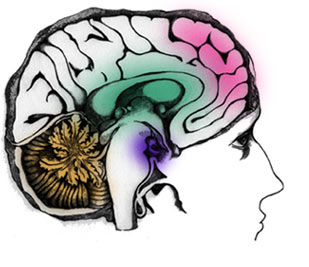
Ada beberapa pertanyaan yang sangat rasional untuk mengasah kemampuan otak kita, perlu sedikit pemikiran yang cukup mendalam untuk menjawabnya. Kalau anda bisa menjawab dengan benar semua pertanyaan berarti anda adalah orang yang cerdas dan mempunyai tingkat intelegensia (IQ) yang tinggi.
Pertanyaan pertama :

Seekor kepiting ingin menyeberang sungai yang ada dihadapannya. Sungai itu dalamnya kira-kira 5 meter dan mempunyai lebar 20 meter serta sangat panjang dari hulu ke hilirnya. Pertanyaanya adalah berapa lama kepiting tersebut sampai ke seberang sungai yang dituju?

Pertanyaan kedua :

Sebuah kereta listrik berjalan ke arah timur menuju surabaya dengan kecepatan kira-kira 60 km/jam, arah angin ke arah utara dengan kecepatan angin 15 knot, kereta membawa 7 gerbong kereta. Pertanyaannya kemanakah arah asap kereta tersebut?

Pertanyaan ketiga :

Ada sepuluh ekor burung merpati ada diatas dahan pohon waru, lima ekor ada di dahan pohon mangga semuanya ada lima belas. Pertanyaanya berapa jumlah semua burung di kali tiga?

jawabannya adalah

jawabannya adalah

jawabannya adalah

jawabannnya adalah
pertanyaan pertama : Logikanya kepiting tidak pernah jalan maju, jalannya kepiting adalah kesamping, jadi apabila sungai itu ada di hadapannya maka kepiting itu tidak akan pernah ke seberang sungai

pertanyaan kedua : Kereta listrik tidak pernah mengeluarkan asap, jadi tidak ada asap ke arah manapun.

pertanyaan ketiga : delapan belas, coba anda cermati sendiri dan pikirkan secara mendalam


Bookmark and Share 

Job Interview Dressing Tips

It's time to head for the interview and you have one question. What is the job interview dressing code? Yes. Everyone has that same doubt. Should you be too formal? Should you just be yourself? Should you portray yourself as a happy-go-lucky character and dress as you please? Ear rings, nose rings, tattoos and other stuff that has been your style statement ?should they come off? Would you make more of an impression if you stood out from the rest of the crowd? Yes. These are some questions that plague many people. Dressing for the interview is a big issue and many get stuck at this critical area.

The answer is actually quite simple. The job interview being a formal meeting between people who are assessing each other's capability and "fit" to work together in a professional environment, the dress code must obviously tilt to the formal. Prepare for it with all the seriousness it requires because you need to create an impression on the employers that you are a serious, responsible and resourceful kind of a person. Now that means that the casual look or the worn out look is out. It means that the conservative look is what you need to work at. Even if you were going for an interview as an odd job man or a part time summer job, it will surely make a difference if you go to the interview dressed formally. One rule that most human resource people advocate is that one must dress as if one is going to the interview of a job one notch higher than what one actually is.

The point of packaging yourself well is to leave behind an impression of your personality. Nothing does as much as the clothes you wear, the perfume you wear and the colors you wear. With conservative colors and clothes you are in the safe zone with most people whereas a daring fashionable look could just disqualify you for too much attitude of the wrong kind. Some of the things that are to be avoided are ?too much jewellery, bright colored clothes, nail polish, bad nails, skirts that are too short and clothes that are too tight, accessories that are too colorful or floral, inappropriate shoes, bare legs, collarless shirts etc. They just go to prove that you do not really care about the job and all you are worried is about your attitude, which may not be a great advertisement for someone who is looking for a congenial colleague.

Now what is it that you must wear? Colors that score in conservatism are the traditional blue and gray. Blacks and browns are fine as well but score lower than blue and gray. Whatever the job is ?remember organizations do want disciplined, professional, responsible people in their jobs and it is best that you reflect that in your attire and attitude. Sober colored collared shirts, tie and jacket (if dress code is casual you could ignore the tie).

If you are still unsure, it does make sense to call and ask beforehand what the dress code is and then dress appropriately. Good luck and make a good impression!

About the author: Yulin Peng is a recruiting researcher and the owner of http://www.job-employment-guide.com. Please visit his site for more free employment tips.

By yulin peng

careers, Jobs Indonesia, Indonesia Vacancy

Bookmark and Share 

Interview tips: A positive attitude

So you’ve managed to get your Cover Letter, CV and/or resume stand out from the crowd and it’s landed you that revered meeting with your new prospective boss? Well done! Now it’s time to win the prized trophy at the season’s end. Being as prepared as possible is the key to success in the interview game that will guarantee you land the job of your wildest dreams!

You’ve got the key, and now you simply need to make sure that the lock is also in tip top shape, ready to smoothly open all of the doors by having a positive attitude as well as thorough interview preparation.

First impressions do count: Dress appropriately for the role of an interview; generally the rule of thumb is to wear your best work outfit. The key factors to consider are cleanliness, simplicity and smart business type attire. Do not chew gum or smoke under any circumstances.

Be punctual: By doing a little planning before the interview, you should have no problem arriving on time for the appointment Your punctuality and attitude tells the interviewer much about you. If you are late, remain calm and explain briefly, as you apologize for your unfortunate delay.

Be positive: Sit up straight in a relaxed but confident manner which exudes positive self esteem- no slouching, looking down or fiddling! Look the interviewer straight in the eye when listening and speaking. Be aware of your body language, and if nerves are some what quivering; to get them under control; remember that the interviewer is merely another person and not some almighty god to be feared! Use your imagination; see that person in a vulnerable state if that helps! No giggling though!

Always turn negatives into positives. Instead of giving excuses regarding poor or inferior experiences, acknowledge them briefly and then turn it around by explaining what you have learned and how you have grown from it.

Be yourself: This is your time to shine so be professional but allow your own fabulous personality to reflect as you tell the interviewer all about your skills and experience that will assist his company by employing you. You know that you are the best person for it and more than capable!

Listen carefully: Be sure to listen to the questions that the interviewer raises and stay on track with your answers. If you are uncertain about some thing ask for clarification. Done correctly this shows initiative. Do not under any circumstances bombard the interview with irrelevant questions or issues as this will make you look incompetent and foolish.

Research- Your new best friend: Be sure to come to the job interview well prepared and you will be familiar with company mission statements, goals and policies which is of great assistance to you. It’s simply a matter of going to the company’s website for the information.

Practice makes perfect: Practice your interviewing skills with a friend, family member or even in front of a mirror, but do try to keep it all real and not too composed! If in doubt keep your answers brief, to the point and succinct.

It’s true that with practice interviews become easier and you become more confident. So be sure to practice these skills often with everyone: teachers, banking staff, pastors, your local GP and so on. Have a look around you- everyone, everyday is having an interview of some kind. Be it a formal interview for a job or an exchange of information between two friends discussing which movie to go and see; what to cook for dinner or the pros and cons of buying a new house! Not so scary when you look at it that way, is it?

By Joel Vance


Bookmark and Share 

Interview Tips and Techniques

Interviews are very intimidating and if you are a fresher it is like a demon that you have to combat before you can get the job and the door for a better future opens for you. You keep on wondering the type of questions that your interviewer might ask you or the kind of posture that would impress your interviewer. There are ways in which we can improve the way we speak and appear so that we can put up a good image in front of the interviewer since it is imperative that the employer perceives us like a thorough professional. So here are some tips so that you can handle your interviews tactfully and within a short time you can convince the employer of your capabilities.

General Interview Tips and Techniques

The first thing that is required is "confidence" which should show in your posture and your conversation. The non-verbal ways of assessing your confidence level and level of professionalism for the interviewee would be the way you shake hands, your active listening skills, your posture, the questions you ask and the way you speak. So it is better that you speak clearly and maintain a steady eye contact with the interviewee. Give a firm handshake and though you feel nervous try not to fidget with things. Try and sit erect and if you are not comfortable do not sit right in front of the interviewer, you can take a seat which is a little off the central position.

Do not ask salary related question in the first interview, you can talk about that when you know that the organization is interested in you. Try not to ask questions, which you feel, are not that important since they might find these questions irrelevant because the first interview is generally for the employer to select the right candidates in terms of skills, so it is better that you first prove that you are the right person for the job. Still when you are asked about the salary do not overrate yourself and state your previous salary and then you can put the ball in their court by saying that you want to receive a higher remuneration or you can also express your expectations by giving the percentage that you desire for.

When you are asked questions related to your expectations and role in the company try to emphasize on what you can do for the company and not what you want the company to do for you, as it does not take much time for employers nowadays to understand the attributes of a problem employee. When the interview is over and it is time for you to leave, try and put your enthusiasm and your excitement across, if you have not been given an answer about the next step ask how they intend to go about it and say that you would really be happy to work with them and the company. Interviewers always look for desperation for the job and enthusiasm in candidate and if you can exhibit these attributes the job is yours!

By Poushali Ganguly


Bookmark and Share 

10 Good Interview Tips

Interview Groundwork
One of the first job interview tips that anyone will tell you is, to do the necessary groundwork on the organization that you are being interviewed for. You must have the basic knowledge regarding the firm. Don't seem vague, do your homework before you step into the interview room. This will help you answer question like why do you want this job?

Interview Attire
Be well dressed for the interview. Make sure that your nails are clipped and hair is neatly set. Avoid wearing fragrances that are too strong. This goes without saying but be formally dressed. Don't dress for a social meeting. The job interview dress code demands your clothes to be clean and ironed. Also make sure that the attire is well fitted and comfortable. Ladies avoid wearing low neck tops and men opt for well matched suits. The shoes must be well polished. Stay clear from loud colors and remember, you are not expected to dress in clothes that your boss can't afford.

Interview Manners
During the interview, keep your manners in check. Once you walk in, remember to gently close the door. You don't want a door slamming shut. Greet the interviewer pleasantly and firmly shake hands. Then, ask if you can take a seat if you haven't already been told to be seated. Sit up straight and avoid slouching. Remember not to keep your elbows on the table.

Frame of Mind
Everyone gets job interview jitters, so don't panic. The correct frame of mind is very important for the interview. A little nervousness is normal. Think rationally so that you don't spend the waiting time imagining interview goof ups. This will only make you more jittery. So in a calm mind just run the interview through your mind. When you walk in for the interview, have a clear mind, leave your worries behind. The aim is to have a fresh and alert mind.

Possible Questions
Days before the interview, think of all the questions they can ask and prepare for them. Some typical questions are regarding your past work experience, your bosses, your interest, strengths and weakness, your goals etc. Do a thorough research, this is the best way to avoid unexpected questions. You can take a look at a list of common job interview questions and answers.

Be Prepared
Firstly, remember to carry the required documents like résumé with you for the interview. Secondly, one must be prepared to handle tricky interviews. Many times interviewers put forth very practical questions like what is the color of the wall behind you, so think for a minute and refrain from turning your head around to answer the question. Always have questions ready that you would like to ask the interviewer about the firm. If money matters are being discussed, be prepared for anything. If a interviewer gets aggressive, keep you temper in check and stay calm. In short, if the situation goes bad, don't panic.

Conduct During the Interview
During the interview, answer every question promptly, it is best to avoid fillers like "hummm" and "aaahhh". Get to the point and speak clearly and at a good pace. Avoid grammatical errors and casual language. Make eye contact with the interviewer and don't seem meek. Make sure that your body language is confident and receptive. Don't give off a snobbish or a careless vibe.

What to Avoid in an Interview
Sometimes unknowingly, we make some big blunders in interviews. Therefore, please avoid arriving late for the interview. Don't seem overconfident or aggressive, definitely don't behave as if you know everything. Remember not to make excuses and don't criticize your old employer. Exercise good command over your voice and speak confidently. You must avoid being rude and too judgmental.

Confidence
Your main aim during the interview should be to appear confident. This is one of the most important good interview tips. Your clothes, conduct, and speech must reflect confidence. Also try not to cross into the territory of being pompous and overconfidence. If you feel that summoning confidence is difficult, then fake it. Yes, fake it, only you would know this secret and part of being confident is believing that you are confident and sure of yourself.

After the Interview
There are certain etiquette that must be followed after an interview also. Remember the interviewer's name and follow up with a thank you note. A job interview follow up e-mail is also a good idea. You can also thank the interviewer for his/her time by making a courtesy phone call.

Now that you know what are some good interview tips, be confident, hold your head high and have faith. Remember at the end of the day, it's just an interview, a simple dialogue which takes place between two individuals. Consider it like a formal social meeting and the interview will not seem so daunting. Good luck!

By Gagan Dhillon

careers, Jobs Indonesia, Indonesia Vacancy

Bookmark and Share 

Job Interview Tips

In a job interview, an employer evaluates a potential employee to establish how suitable he or she is to serve within the company. Such an interview always takes place in some form of the other before the employer makes a decision to hire. Before an interview, the employer scans resumes sent by various aspiring employees to shortlist the likeliest candidates. These resumes will reflect the minimum qualifications and experience that the employer requires for the post.

Interviewing as a method for selecting an ideal candidate is an inherently flawed process. This is because it is almost impossible to judge a candidate’s true aptitude and experience in a job interview. However, job interviews allow the employer to decide with which candidate he or she is most comfortable. A lot depends on personal insight and good judgment on the part of the interviewer. Unfortunately, modern HR procedures concern themselves with hiring candidates as quickly as possible. This is because HR personnel usually have a monetary stake in fast hiring.

A well-structured job interview process takes place at multiple levels. A telephonic screening round will usually precede an actual face-to-face interview. This allows the employer of human resources expert to establish the candidate’s overall capabilities and motivation. If a candidate passes this round, he or she may attend a personal interview with the HR personnel. The candidate may face a single interviewer or an interviewing board, consisting of two or more company representatives. These will question the candidate on various different aspects of his or her professional life, career aspirations and overall ability.

The gravity, complexity and difficulty of a job interview depend largely on the job for which the candidate has applied. ‘Blue collar’ or functional job interviews are generally less demanding than ‘white collar’ or executive job interviews. Accordingly, everything from dress code and the candidate’s overall presentation have different bearings on the job interview’s outcome.

In certain artistically oriented professions, job interviews can also include a form of audition. The candidate is required to display physically his or her skills in that particular profession. Apart from that, the candidate will also have to prove sufficient professional training in the field.

Often, parts of the interview may seem to have little or no bearing on the job in question. The behavioral aspects of a job interview seek to establish the candidate’s ability to tackle difficult situations. They also focus on the candidate’s ability to take personal decisions, shoulder responsibility, handle or interact with a team and effectively represent the employer’s company.

Nowadays, there is increased emphasis on pre-interview preparation. This is especially true in the case of selection procedures in business schools and high-end business jobs. By studying the requirements of such interviews beforehand, a candidate can greatly increase his or her chances of selection.


Bookmark and Share 

Career Advancement Tips for Freshies: 5 Quick Advice to Help You Grow Successfully

These career advancement tips are not instant solutions to your career challenges. They are work values you can practice to help you advance in your career.

You have just left college and started on your first job. Although you know what your role is at your work place, you are also eager to make an impression. Remember that when you practice these career advancement tips, the results are not immediate. You will only begin to see their values when you start to internalize and act upon them naturally.

1. Heart
If you want career advancement, then do everything fueled by the heart. While your brain provides the knowledge, your hands and legs provides the skills, and your heart provides the passion. Fuel every task with passion.

When you work full heartedly, your quality shows. Someone who has the skills and knowledge but do not have the heart to complete the given task can only do a good job. To do a great job, you not only need skills and knowledge, you need heart.

Perfection comes when passion meets skills and knowledge. Approach your work with all your heart and you will advance in your career, successfully.

2. Heed
Many freshies I have come across and worked with are very excited to demonstrate what they know and learned in school. However, they forget that sometimes experience is needed to complement what is learned in the academic world. As a freshie in the workplace, you need to take heed of what your seniors and bosses advice you. Pay careful attention to what they are trying to tell you. Some things only experience can teach you. The finer points of any industry can only be learned when you take heed of advice from elders in the industry.

3. Hunger
Have the hunger to know more and learn more. Have the hunger to want to go further and do more. If you want to advance in your career, always be hungry for relevant skills and knowledge. Always be hungry for excellence in your work. One of my ex-bosses used to tell me, when you do a good job, you earn your salary and your current position. When you do an excellent job, you give me reasons to give you an increment and a promotion.

The hunger to want to do more and do better quite naturally makes you a competitive advantage in your unit. People will notice your constant pursuit of excellence and that will make them want you to work for them and keep you on the team. You increase your value to the company. This is one of the career advancement tips I continue to practice till today.

4. Hindrance
As a freshie, you lack experience at work and you will find a lot hindrances. These hindrances coupled with your eagerness to demonstrate your prowess at work will frustrate you. Some challenges and obstacles are real. It could be related to your lack of skills and knowledge to complete a task.

You may perceive yourself to know how to do the task but in reality you may not be equipped to do so. When faced with hindrances, seek help. Do not be egoistic to not do so. No one knows everything. When you seek help you learn a new skill.

Some hindrances are more people oriented. They can be difficult colleagues simply testing your patience. When I was a freshie, how I approached this hindrance was to see it as a rites of passage. They want me to give them a reason for respecting my input and my work. When faced with such colleagues, practice patience. In extreme cases, you can seek help from your immediate boss.

As cliché as it sounds, hindrances only serves to make you learn more if you view them positively.

5. Humor
To balance off the career advancement tips of heed, hunger and hindrance is humor. I can still remember some of my personal experiences related to these career advancement tips. Imagine how stressful it can be when they all happen together.

Imagine the stress of having to deal with this situation - You are supposed to take heed of advice and remember it, especially when it is due to a mistake. You need to be hungry for excellence. You get hindrances from colleagues because you are new. In addition, hindrance to complete some tasks due to the lack of experience. How do you deal with it?

One of the best ways to deal with all these is to have a sense of humor. Laugh at yourself a little. When the going gets tough, laugh. While you need to be serious with your work to increase your chances of career advancement, it doesn’t mean you cannot relax. Sometimes you have to say - it’s only work. Having a sense of humor allows you to minimise the stress at work.

These are the 5 quick yet important career advancement tips a freshie can practice at work immediately. With constant practice, you can make it a habit and it would seem effortless before you know it.

About the Author
Long as he is popularly known - went through a period of disillusionment many moons ago. 'A slap and a kick' from a good-hearted cousin then woke him. He found himself graduating and having a good career. In his free time he runs www.career-success-for-newbies.com with his wife Dorena as their way of paying it forward. Download these free eBooks - Career Success Recipe for Newbies and SHINE At Work: Your 30-Minute Guide at the website now.

By Long Yun Siang
Bookmark and Share